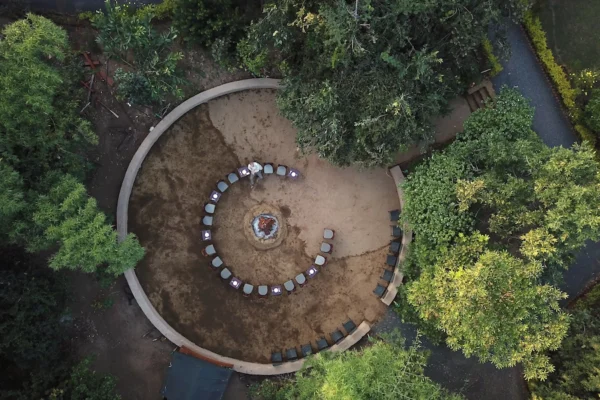
Until recently, Mogarkasa was just another quiet forest buffer near Pench, Maharashtra,unknown, untouched, and unadvertised. But today, it’s quietly becoming the most intriguing wildlife destination for serious photographers and naturalists. The reason isn’t frequent sightings,it’s authenticity. And one extraordinary creature: a melanistic male leopard nicknamed Blackey, who has made Mogarkasa his kingdom.
A Forest That Lets Animals Be, Not Be Seen
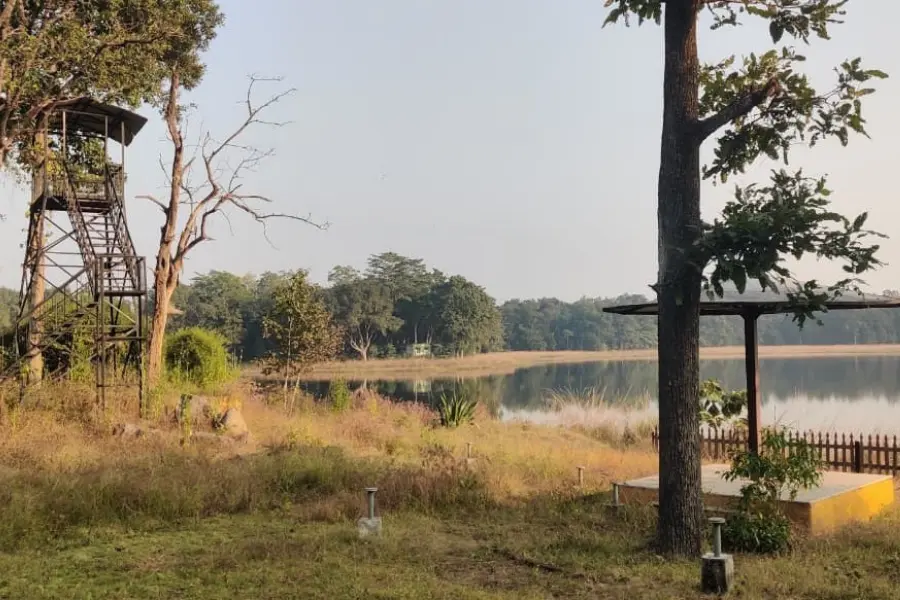
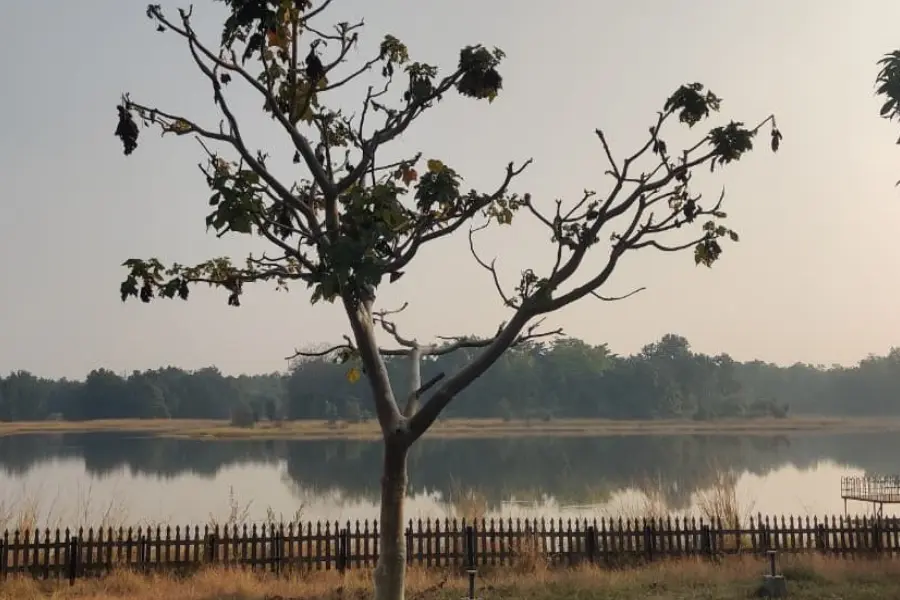
Just 75 km from Nagpur via NH-44, a turn at Pauni and a 15 km forest drive lead you to Mogarkasa,a serene wilderness where tourism exists quietly around the historic Mogarkasa Lake, dug over a century ago by four tribal brothers. Spread across 105 sq km with 46 sq km open to tourism, this zone blends raw forest charm with deep silence and untouched beauty.
Mogarkasa doesn’t attract crowds,it protects its calm.
No online bookings, no rush, only six gypsies allowed per morning and evening slot. Here, tourism doesn’t command nature,it quietly observes it.
As Senior Naturalist Mr. Patil explains, Mogarkasa remains greener and slightly moist for a dry deciduous forest, thanks to its bamboo corridors, rocky slopes, and natural water pockets. These features make it an ideal habitat for leopards, wild dogs, spotted deer, sambar, nilgai, and langur,who move freely, naturally, and unhurried.
Blackey: The Phantom Who Chose This Forest
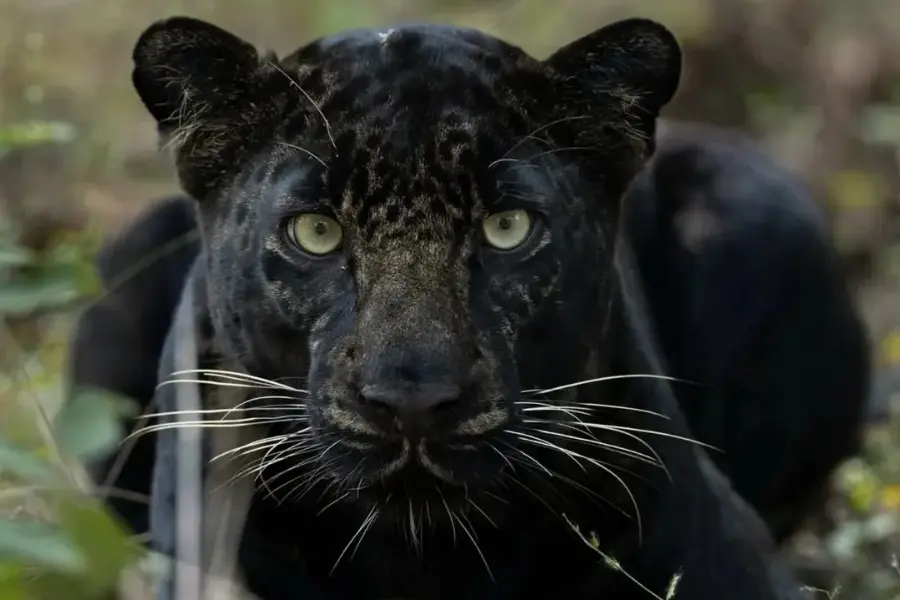
Blackey wasn’t born in this forest, nor was he always a celebrity. He was born in the Khawasa buffer of Pench, Madhya Pradesh. When he turned about a year old, he was pushed out by a dominant male leopard, nature’s way of forcing young males to claim new territory. He walked silently east and found Mogarkasa, peaceful, undisturbed, and perfectly suited for his survival, where he has been seen since 2024.Sightings are rare, just once in 10–15 days, as he roams deep into non-tourism areas. Recently, he was photographed mating with a female leopard whose left eye appears darker, hinting at possible melanistic lineage.
Birds, Silence, and Natural Rhythm
In Mogarkasa, birdlife moves to nature’s rhythm,not tourist schedules.
At dawn, the Crested Hawk Eagle and Grey-headed Fish Eagle call from treetops; by dusk, the Dusky Eagle Owl takes over with its haunting echo across the lake.
Here, birds thrive undisturbed,black drongos, racket-tailed drongos, honey buzzards, jungle owlets, rollers, monarchs, flycatchers, painted spurfowls, osprey, storks, and cormorants,making it a paradise for birdwatchers.
Just 10 km away, the Sitakassa Dam further expands the experience, with sightings of painted and woolly-necked storks, darters, egrets, herons, and more,turning the region into a living field guide for bird lovers.
Where Can You See Black Leopards in India?
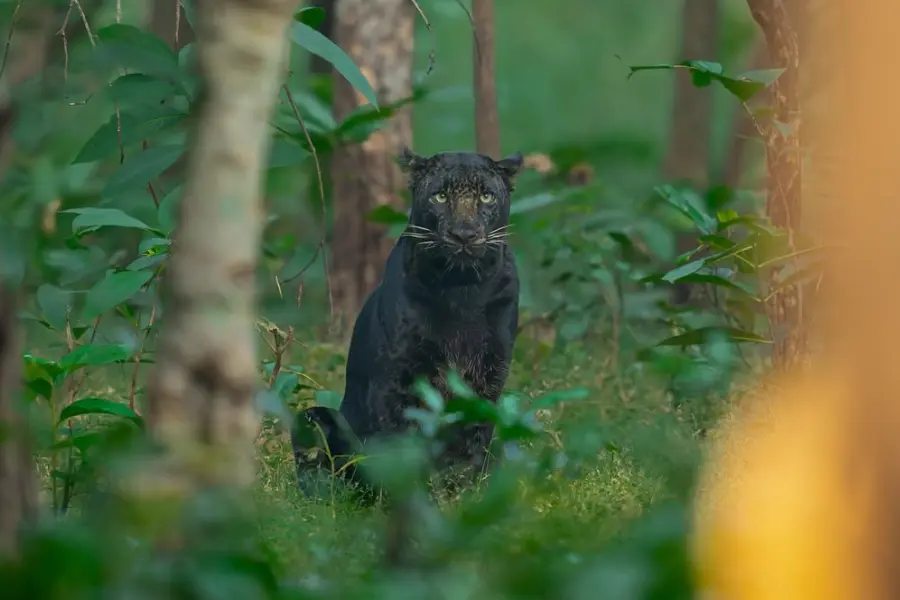
Melanistic leopards are exceptionally rare, seen only in:
Pench (Maharashtra & Madhya Pradesh), Kabini (Karnataka), and occasionally Tadoba (Maharashtra).
But Mogarkasa is different,not just because Blackey lives here, but because he chose to stay.
Conclusion
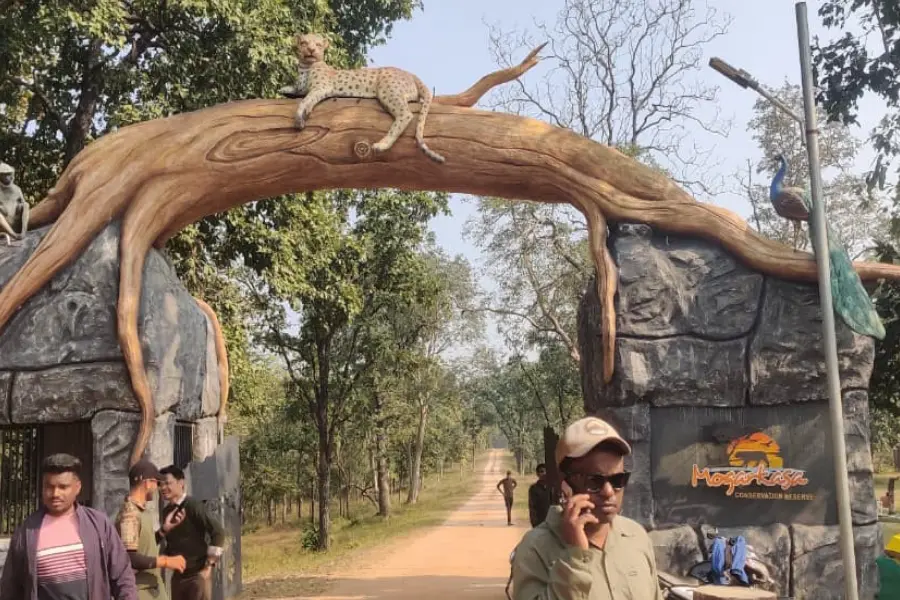
Mogarkasa doesn’t offer fast sightings. It offers true wilderness,where the forest moves at its own pace, unhurried, unseen, and unfiltered. Photographers don’t come here for quick photos; they come for real stories,written not by humans, but by the forest itself.
With Mogarkasa’s leopard activity bringing fresh attention to Pench, staying close matters. Pench Jungle Camp offers a simple, comfortable base near the action, making it easier to explore this unfolding wildlife story at your own pace.
With insights from Senior Naturalist Mr. Patil, Jungle Camps India